


 $
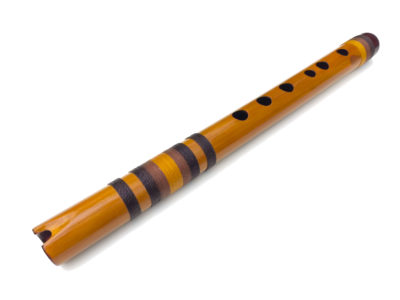
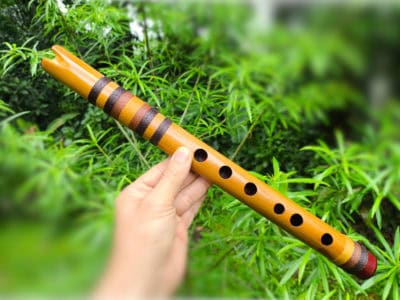
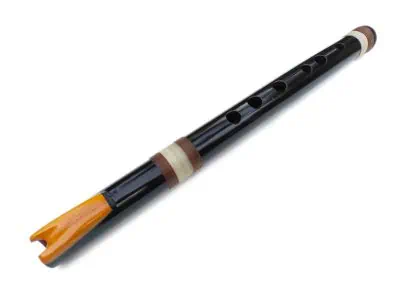
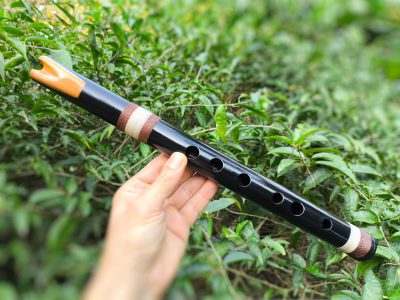
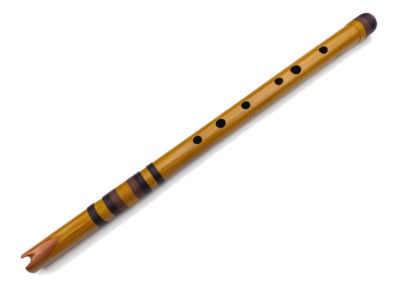
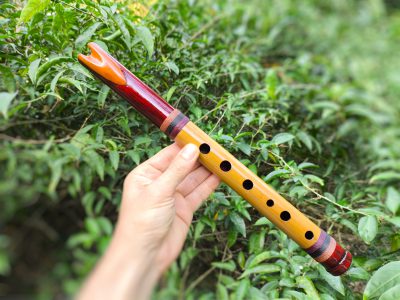
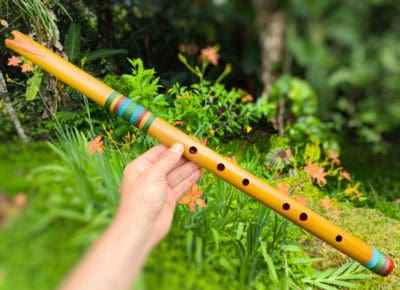
The Quena is an ancient vertical edge-blown flute, native to South America, especially used among the Ecuadorian, Chilean, Peruvian, Mexican, Bolivian and Northern Argentine Indians. Its origin is depicted in existing paintings and drawings, made by peoples who inhabited, between 200 BC and 600 AD, the cities of Nazca and Chimu, in Peru; where the instrument was already made from llama bone; its first examples were made with condor bones, stone or clay, materials later replaced by bamboo and wood.
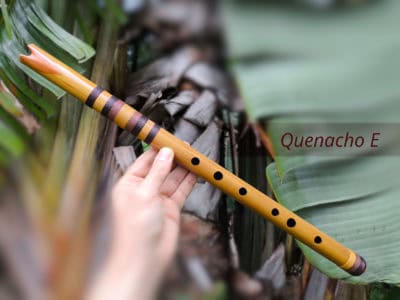
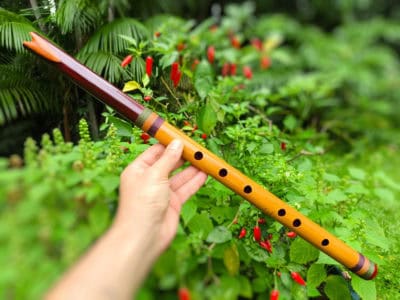
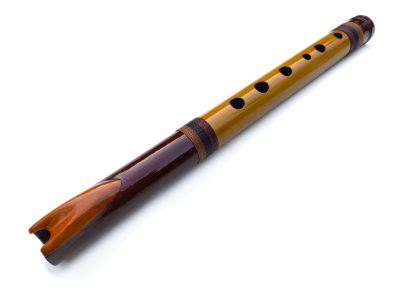
The Quena is produced in the Natural Major scale. It has 6 generous holes and one more hole behind for the thumb. The Quenacho is a large Quena, with a deeper voice and ideal for more contemplative and meditative music. The Quenas and Quenachos reach around 2.5 registers, so a Quenacho in D serves as a Quena in G if we start the scale on the 4th degree (opening the last three holes from the foot). The Quenacho has the advantage of having notes below when the tonic is on the 4th degree, making the scale richer and full of possibilities. We seek to develop the production of Quenacho instead of Quena because we prefer deeper and more meditative sonorities and timbres.
Discover the Sonic Universe of the Quenacho