


 $

THE SYMBOL · THE KOMUSO MONKS
Coming from nowhere, going nowhere like the wind
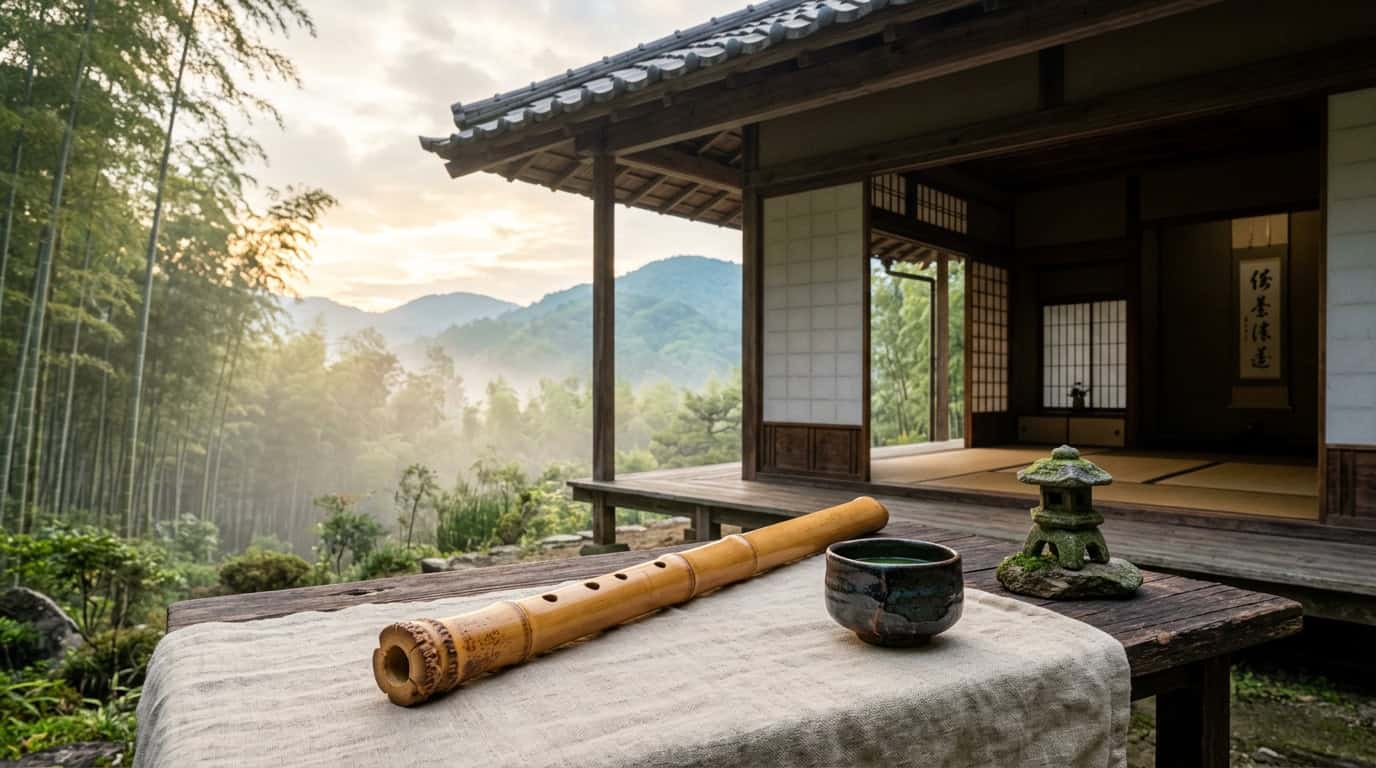
In feudal Japan of the Edo period, the wandering monks of the Fuke sect of Zen Buddhism — known as Komuso (monks of emptiness and nothingness) — traveled the roads with a woven rice-straw basket over their heads, called a tengai.
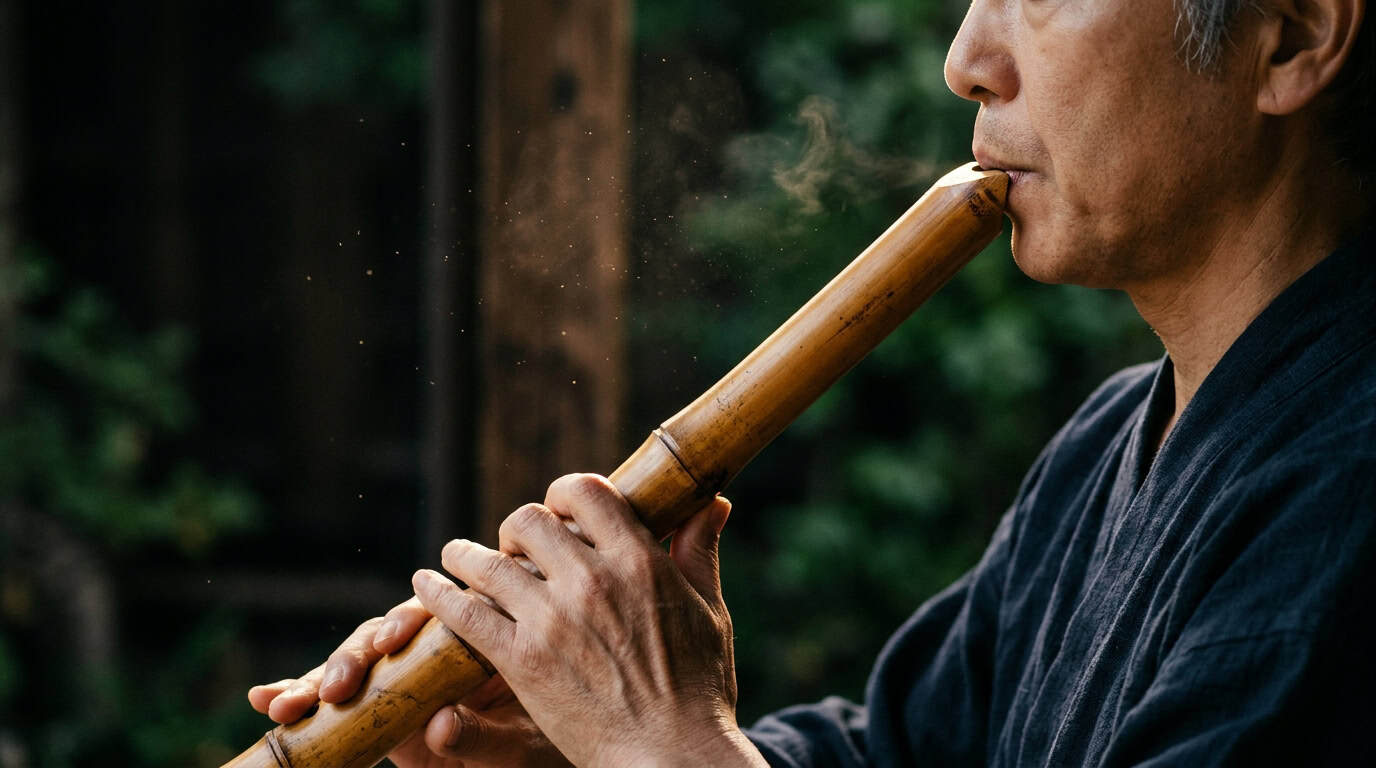
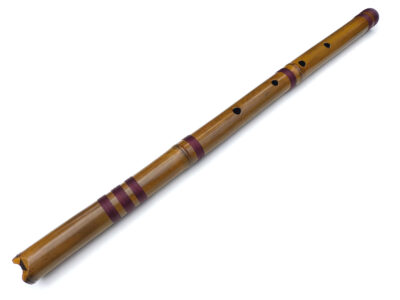
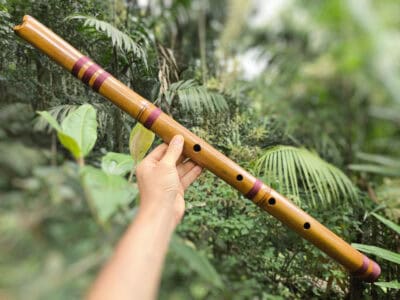
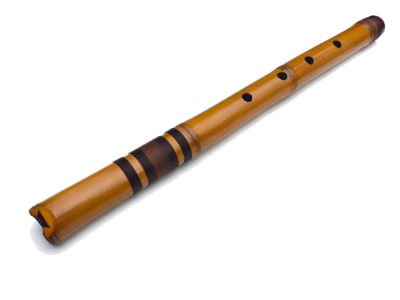
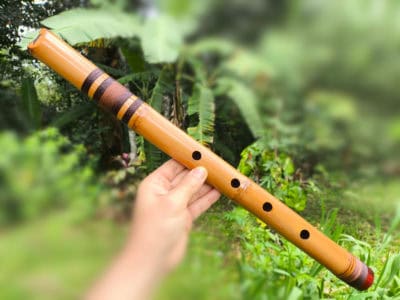
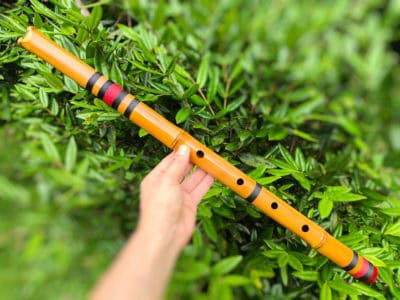
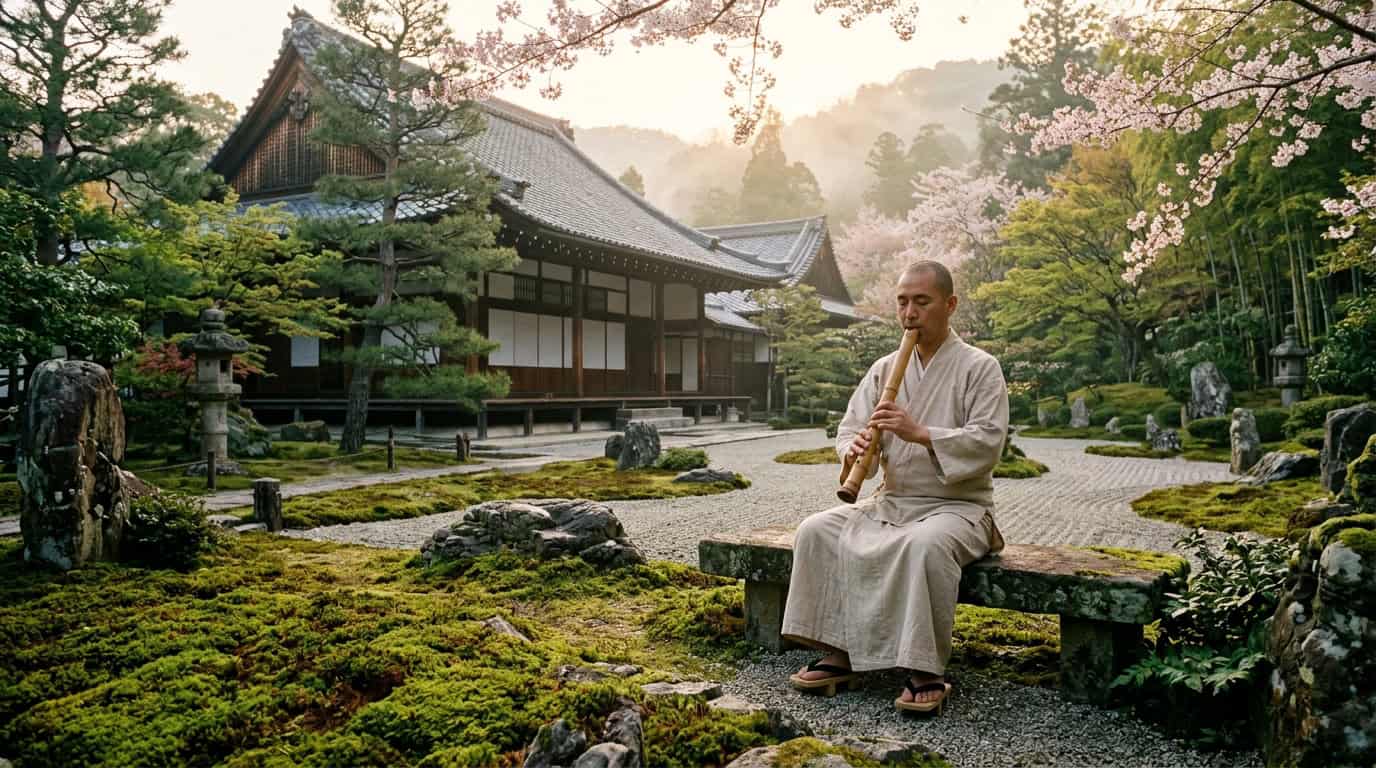
The basket concealed the face to dissolve the ego and worldly identity. In their hands, the Shakuhachi was not considered a musical instrument for entertainment, but a sacred tool of spiritual liberation and contemplation, called Hōki.
For the Komuso monk, playing the bamboo was not making music: it was begging for the spirit, purifying the mind, and listening to the silent voice of the universe.
A single breath. An empty mind. The return to the essential.