



 $
Complete breathing is a breathing technique that involves the use of all the muscles of the diaphragm and chest, rather than just the chest muscles, as is common in shallow breathing. This technique can bring many health benefits, both physical and mental.
One of the main benefits of complete breathing is improved oxygenation of the body’s tissues. By using all the muscles of the diaphragm and chest, it is possible to increase lung capacity and allow more air to enter the lungs. This can improve oxygen transport to all cells in the body and help prevent heart disease as well as improve lung function.
Complete breathing can help reduce stress and anxiety. This occurs because complete breathing allows the body to relax and attune to the natural rhythm of breathing, which can help calm the mind and reduce muscle tension. Other benefits include improved posture, relief from back pain, and improved immune system function.
To start practicing complete breathing, simply sit comfortably and place one hand on your diaphragm and the other on your chest. Inhale deeply through your nose, allowing the diaphragm to expand and the chest to rise. Exhale slowly through your nose, feeling the diaphragm and chest lower. Repeat this process for a few minutes every day, and you will begin to feel the benefits of complete breathing.
In summary, complete breathing is a powerful breathing technique that can improve physical and mental health by improving tissue oxygenation, reducing stress and anxiety, improving posture, relieving back pain, and boosting the immune system. It is easy to learn and can be practiced anywhere and at any time.
Yogic Breathing
Yogic breathing is a set of breathing techniques used in the practice of yoga. They are known as “pranayama” in Sanskrit, which roughly means “control of breathing,” mastery of the vital energy that is carried by the air. Yogic breathing seeks to control and balance the breath in order to balance the different elements of the body and mind.
There are several different yogic breathing techniques, each with its own benefits and objectives. Some of the most common techniques include:
- Bhastrika: a rapid and vigorous breathing technique that increases energy and heat in the body. It involves inhaling and exhaling rapidly and deeply, with the stomach expanding and contracting with each breath. It is designed to purify the respiratory system, increase energy, and enhance lung capacity.
- Nadi shodhana: also known as “alternate breathing,” this technique involves alternating between the right and left nostrils to balance the right and left sides of the brain.
- Ujjayi: also known as “victorious breathing” or “oceanic breathing,” this technique involves making a gentle sound in the throat (reminiscent of the sound of the sea), slightly closing the glottis (as if “whispering” in someone’s ear) while inhaling and exhaling, which helps to focus the mind and increase awareness of the breath.
- Kapalabhati: a rapid and vigorous breathing technique that helps clear the lungs and increase energy in the body. It involves inhaling normally and exhaling rapidly and deeply, using the force of the abdominal muscles. It is designed to purify the body’s energy channels, boost energy, and improve concentration.
Yogic breathing techniques are often used during the practice of yoga postures (asanas) and meditation, but they can also be practiced on their own.
Some yogic breathing techniques are considered easier to learn than others. Some of the simplest techniques include:
- Abdominal breathing: this technique involves breathing deeply, using the diaphragm to expand the abdomen instead of lifting the shoulders. It is the most natural way to breathe and is considered a good foundation for other yogic breathing techniques.
- Anuloma Viloma (alternate breathing): It is a nasal breathing technique that involves alternating the breath between the right and left nostrils. It is a calm technique and easy to learn.
It is important to remember that learning any yogic breathing technique can take some time and practice, but the techniques listed above are considered the easiest to learn. It is recommended that you start with a simple technique and, as you feel more comfortable, try other, more advanced techniques. And it is always recommended that you practice under the guidance of a qualified yoga instructor.
Breathing and Kriya Yoga
Kriya yoga is an advanced form of yoga that emphasizes the practice of breathing techniques and meditation to achieve spiritual enlightenment. Some of the main breathing exercises of kriya yoga include:
- Kriya pranayama: It is a breathing technique that involves several steps, including breath retention, rapid breathing, and deep breathing. The technique is designed to increase vital energy, purify the body’s energy channels, and prepare the mind for meditation.
- Uddiyana bandha: It is a breathing technique that involves contracting the abdominal and diaphragm muscles during exhalation, which helps purify the body’s energy channels and increase vital energy.
It is important to remember that these kriya yoga breathing techniques are advanced and should be practiced under the guidance of a qualified instructor. It is recommended that you have a good understanding and practice of basic yogic breathing techniques before attempting these advanced techniques.
Vagus Nerve and Complete Breathing

The vagus nerve, also known as cranial nerve X, is a cranial-sacral nerve that controls many bodily functions, including breathing, digestion, heart rate, and blood pressure. It is also responsible for regulating the parasympathetic nervous system, which helps control stress and anxiety.
Complete breathing techniques can help activate the vagus nerve and thus help regulate the aforementioned bodily functions. This happens because deep, conscious breathing can increase heart rate and blood pressure, as well as reduce anxiety and stress. In addition, complete breathing can also help reduce inflammation in the body, improve digestion, and increase oxygenation of the brain, all of which are benefited by the vagus nerve.
Some breathing techniques, such as the alternate nostril breathing technique, also known as Nadi Shodhana, help balance the sympathetic and parasympathetic nervous systems and increase vagus nerve activation. But it is important to note that constant practice and professional guidance are necessary to achieve the best results. Furthermore, there are several ways to activate the vagus nerve, some of which include:
- Meditation: Meditation can help reduce stress and anxiety, which can activate the vagus nerve.
- Yoga: Yoga postures, such as savasana (corpse pose) and child’s pose, can help calm the nervous system and activate the vagus nerve.
- Massage: Massage can help release muscle tension and reduce stress, which can activate the vagus nerve.
- Physical exercise: Moderate aerobic exercise, such as walking, running, swimming, or cycling, can help activate the vagus nerve.
- Sleep and healthy eating: Maintaining a regular sleep routine and a balanced diet can help keep the vagus nerve healthy.
But what exactly is the vagus nerve?
The vagus nerve is a nerve of the autonomic nervous system that controls involuntary bodily functions such as breathing, heart rate, and digestion. It originates in the brainstem and branches out through the neck, chest, and abdomen, providing innervation to many internal organs, including the heart, lungs, stomach, and intestines.
The vagus nerve also plays important roles in the parasympathetic nervous system, which is responsible for activating the body’s “relaxation mode.” When the vagus nerve is activated, it can help lower heart rate and blood pressure, relieve anxiety and stress, and promote healthy digestion.
Flute and the Vagus Nerve
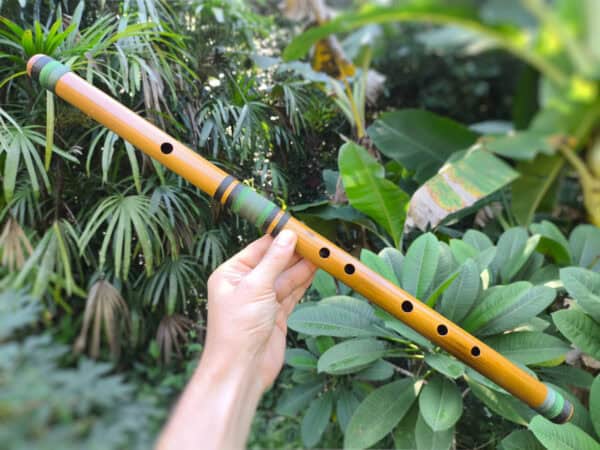
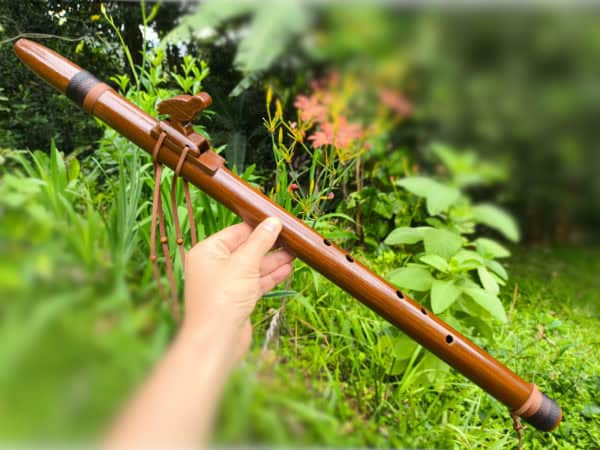
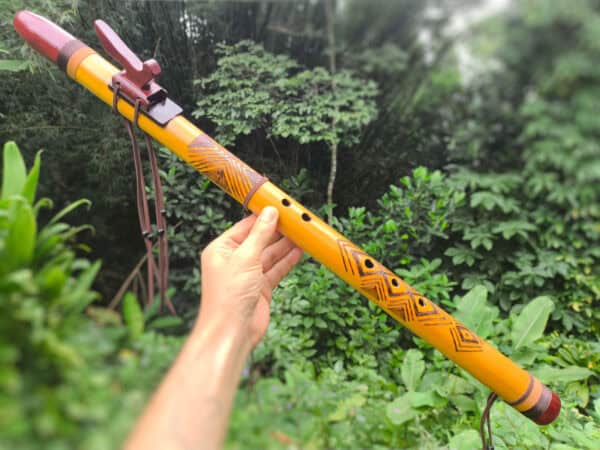
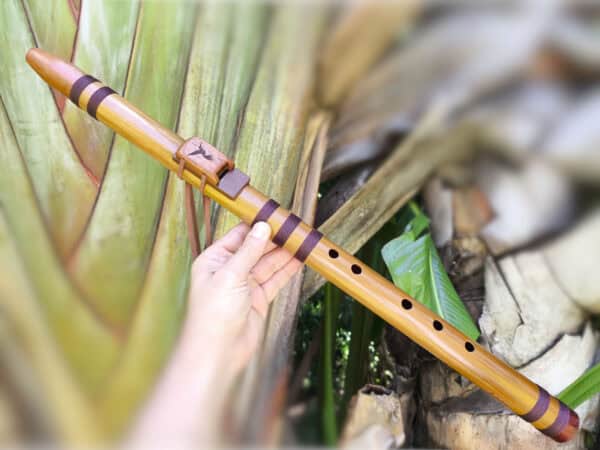
Playing the flute can have some impact on vagus nerve activation, since controlled and rhythmic breathing is an important part of musical practice. The deep, controlled breathing required to play the flute can help lower heart rate and blood pressure, relieve anxiety and stress, and promote healthy digestion—effects similar to those when the vagus nerve is activated.
Furthermore, music can be a powerful means of achieving meditation and stress reduction, and these are also factors that activate the vagus nerve. Listening to music and playing an instrument can be a relaxing and enjoyable way to connect with yourself and your body.





Obrigado
Muy interesante el contenido! Cada tanto hago Rapé y kambó , es una gran alivio para cuerpo y mente. Estoy con muchas ganas de equiparme con instrumentos sanadores y meditación. Soy saxofonista Baritono y Tenor , gracias a estos consejos (que muchos no conocia ) empezare a implementar
It is really amazing fantastic too deeply Cleansing if we do understand