


 $
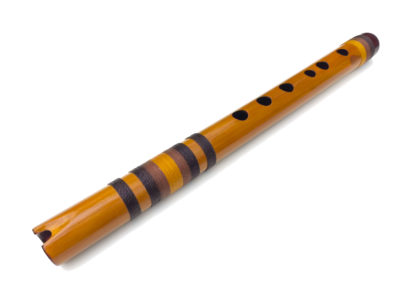
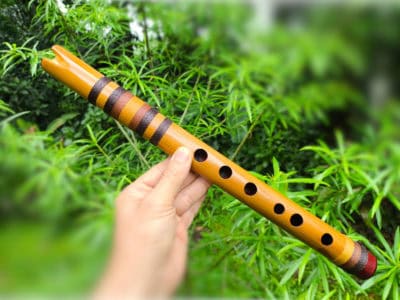
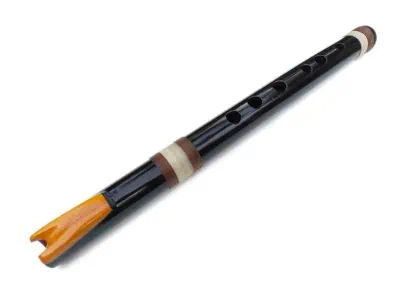
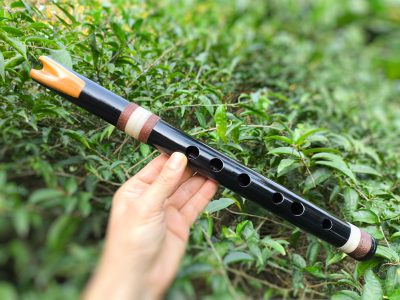
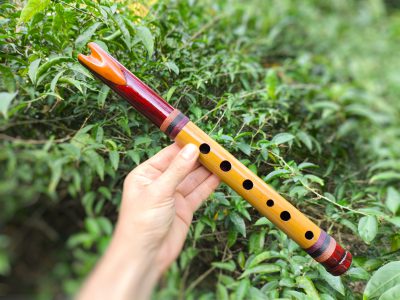
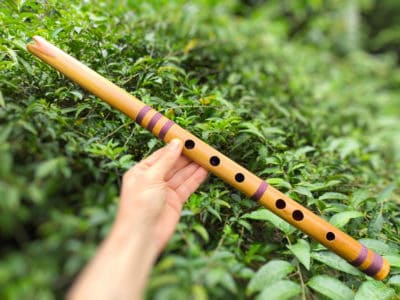
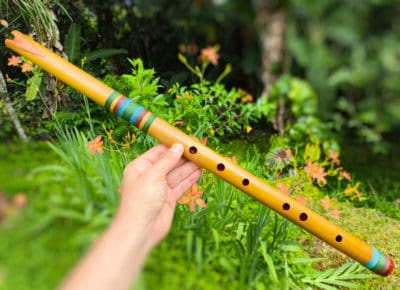
$The Quena is an ancient vertical edge-blown flute native to South America, especially used among the Ecuadorian, Chilean, Peruvian, Mexican, Bolivian, and Northern Argentine indigenous peoples. Its origin is depicted in existing paintings and drawings made by peoples who inhabited, between 200 B.C. and 600 A.D., the cities of Nazca and Chimu in Peru; where the instrument was once made from llama bone; its first specimens were made from condor bones, stone, or clay, materials later replaced by bamboo and wood.
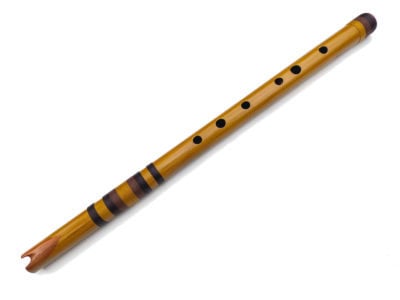
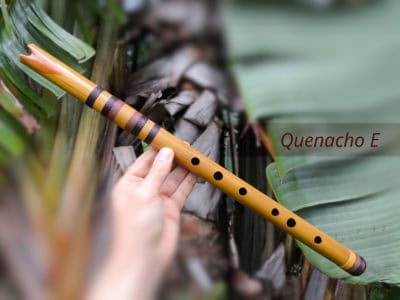
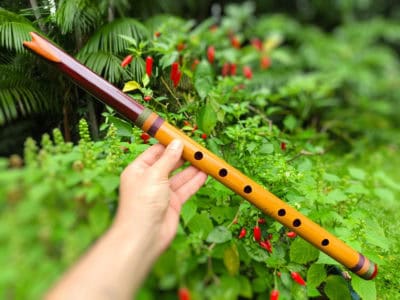
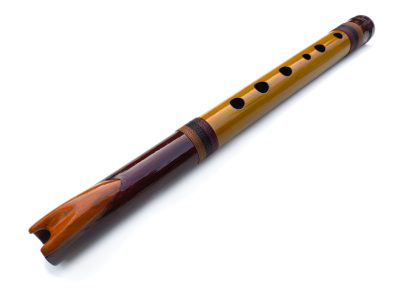
The Quena is produced in the Natural Major scale. It has 6 generous holes plus one hole in the back for the thumb. The Quenacho is a large Quena with a deeper voice, ideal for more contemplative and meditative music. The Quenas and Quenachos reach about 2.5 registers, so a Quenacho in D serves as a Quena in G if we start the scale on the 4th degree and open half a hole on the 1st front hole. The Quenacho has the advantage of having notes below when the tonic is on the 4th degree, making the scale richer and full of possibilities. We seek to develop Quenacho production instead of Quena because we prefer deeper and more meditative sonorities and timbres.