



 $
$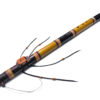
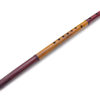


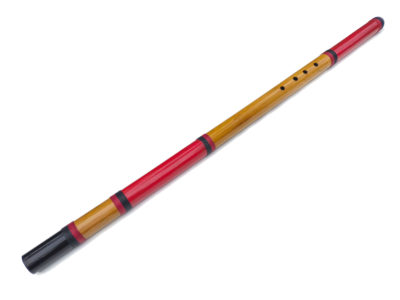
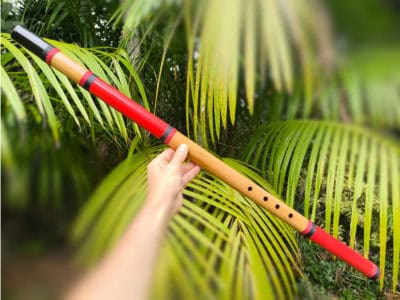

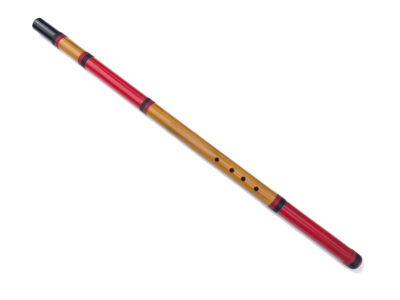
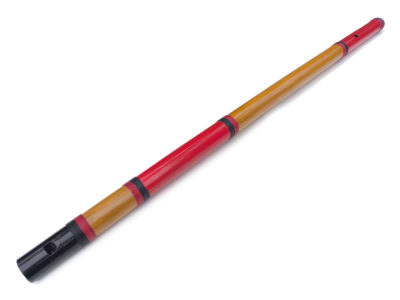
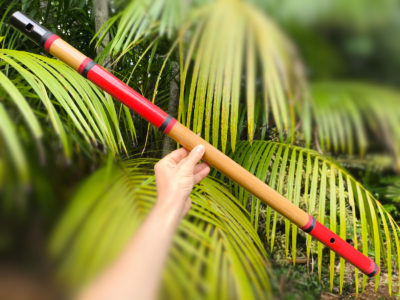
The Kuluta Flute, also called Kuruta in the Kamayurá language, is part of the set of flutes traditionally used by indigenous peoples of the Xingu, such as the Kamayurá and the Wauja (or Uaurás). Although technically similar to the yaku’i flute of the Kamayurá, the Kuluta has fewer restrictions on use by women.
Handcrafted from bamboo, with the bevel sealed with beeswax, the Kuluta has four holes, allowing the execution of five notes distributed across two registers and the construction of harmonic scales through natural blowing harmonics.
Used in ceremonies and celebrations, especially in Wauja and Kamayurá festivities, the Kuluta is part of musical practices connected to origin myths, indigenous cosmologies, and shamanic healing.
The flute is considered a channel between the human world and ancestral spirits. Through its voice, it establishes a connection with the transcendent universe, present in rituals dedicated to the Apapaatai (spirits of power), with complex and formal musical use.
In some Xingu cultures, flutes such as the Kuluta are attributed spiritual identities, such as that of jaguar, conferring social prestige upon its ritual owner.
While the Kuluta allows more flexible ritual use — without the strict taboos associated with the yaku’i —, it maintains its importance in the traditional repertoire, including in intercommunity exchange ceremonies and symbolic cycles.
The sound of the Kuluta is mystical and evocative: its breaths in chromatic intervals and harmonic scales create a penetrating atmosphere. The flute is usually accompanied by the ankle maracá and rhythmic foot beats, composing a sound experience integrated with the body and movement.
This combination reinforces the sense of belonging, ancestry, and healing transmitted in contexts of celebration, connection with the spirits, and community strengthening.
Artisan’s Note
As an artisan and researcher of world flutes, I am honored to present a flute in the Kuluta style, inspired by the traditional flutes used by the indigenous peoples of the Xingu.
This recreation is made with deep respect for ancestral knowledge, originating cultures, and indigenous master artisans who continue to produce their flutes in a traditional way. I recognize that the Kuluta flute is part of a cultural, spiritual, and symbolic context far broader than the instrument itself — a legacy that belongs to the peoples who live and celebrate it.
Therefore, to avoid any misunderstanding or suggestion of undue cultural appropriation, I make it clear that the instrument I produce is an artisanal reinterpretation in the style of the traditional Kuluta. It follows the structural principles of the indigenous flute, but with some technical and aesthetic adaptations, such as the type of bamboo used and the mouthpiece finish, always seeking to improve the visual, sonic, and functional aspects of the instrument — while maintaining, however, the harmonic essence and the evocative spirit of the original flute.
This creation does not intend to replace or replicate the traditional flute, but to honor and value its sonic and symbolic beauty, making it possible for more people to come into contact with this sonic universe in a respectful and conscious way.
– Ashar

Reviews
There are no reviews yet.