$
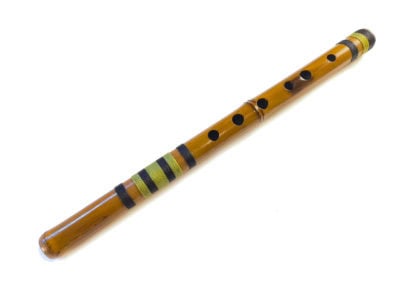
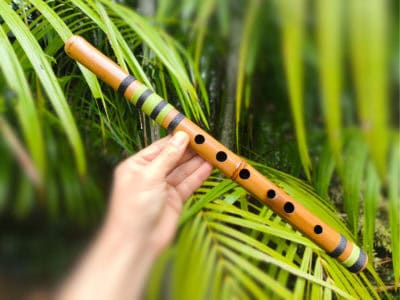
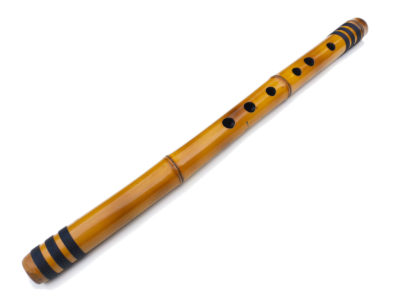
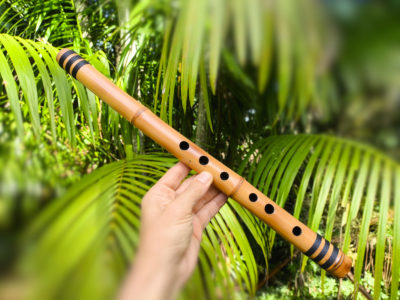
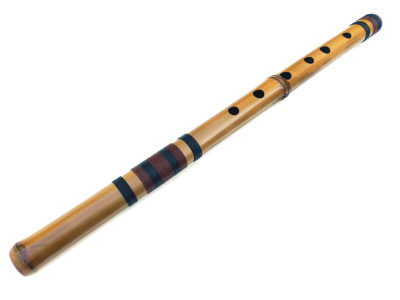
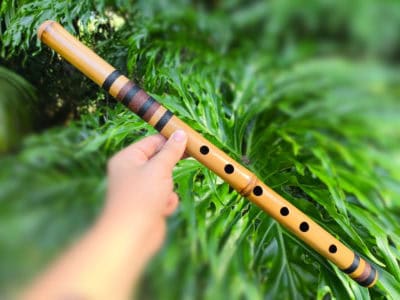
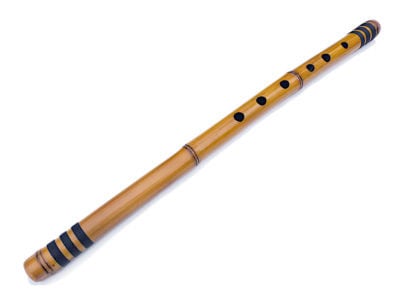
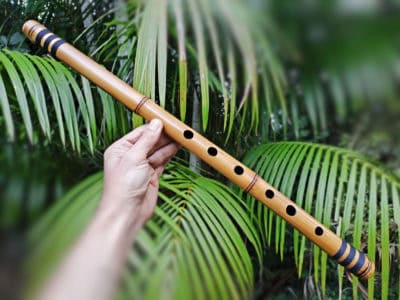
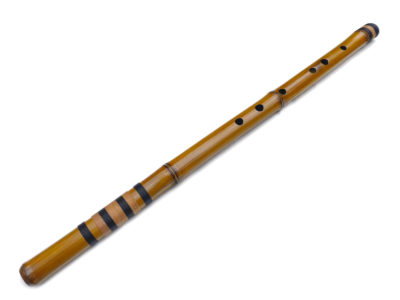
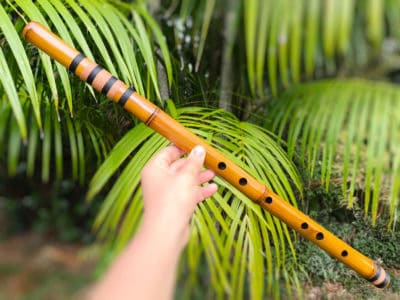
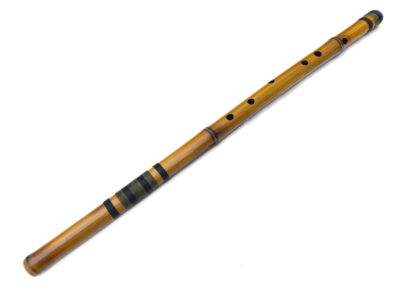
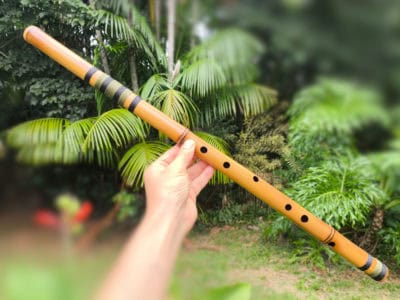
$The Kawala is a native flute from Egypt, it has 6 holes and is currently tuned to the natural major scale, the sound is made by tilting the flute under the lips forming an angle over the edge of the mouthpiece, it requires embouchure and breath control training to produce a satisfactory sound, being possible to reach up to 3 octaves in some notes. When we master the embouchure it becomes an extension of the voice!
The Kawala is undoubtedly one of the oldest, simplest and most powerful flutes that exist. Its origin takes us to ancient Egypt and its structure, due to its simplicity, gives the clear sensation of being one of the first flute shapes created by humanity. Although very similar to the Ney, a highly popular flute in traditional Middle Eastern music, the Kawala does not have a hole on the back like the Ney.
The Kawala has a fundamental tonal structure for the Egyptian folk music community. It is recommended for introduction to Eastern tones due to the possibility of adjusting the tuning with the mouth and finger position, and at the same time it is the most suitable Eastern-sounding wind instrument for Western music.