



 $
$


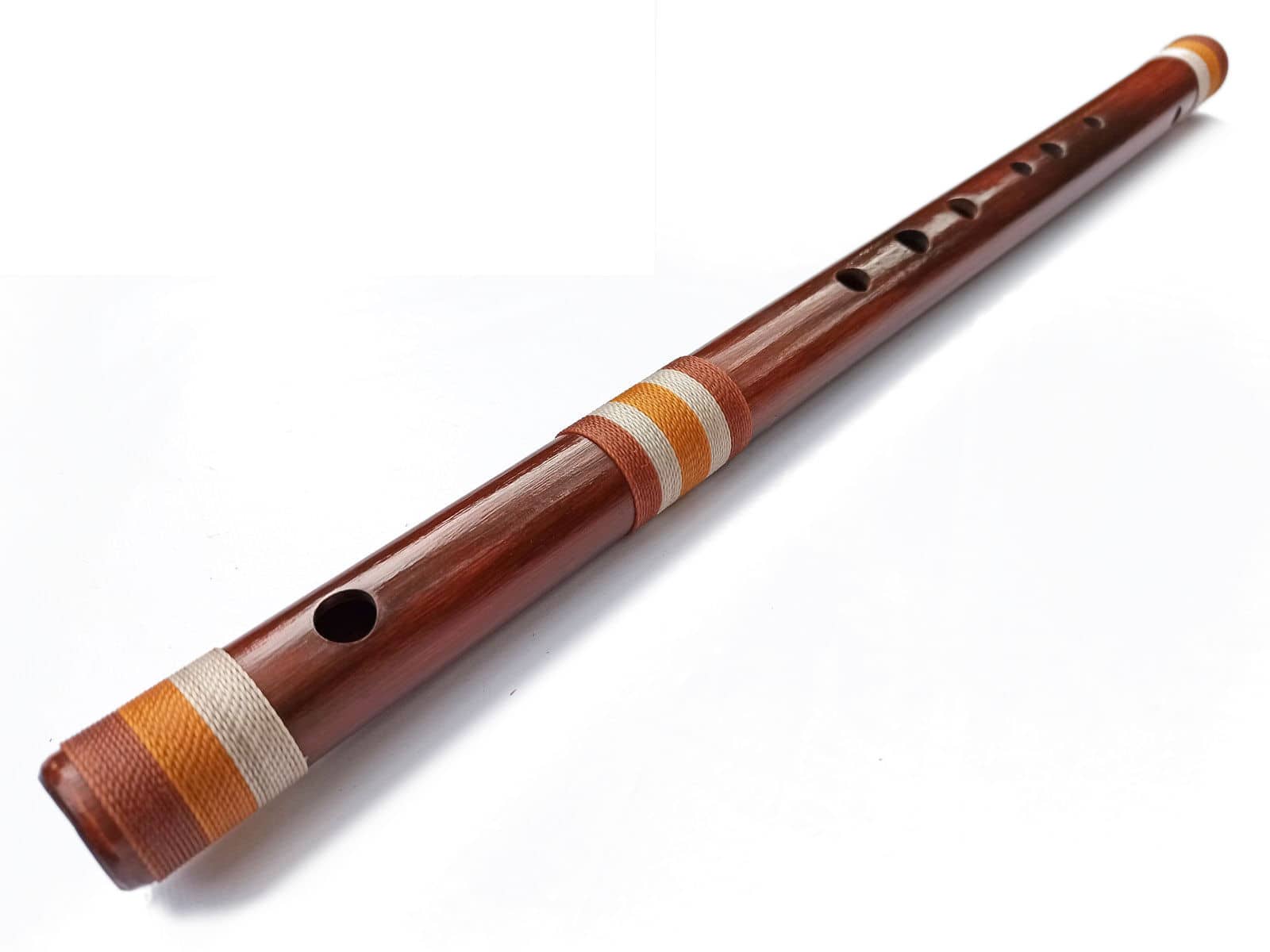


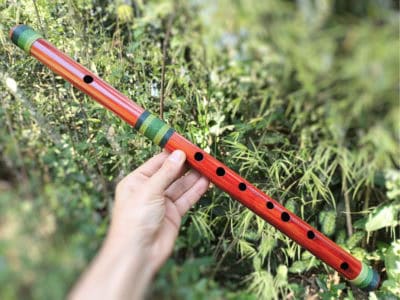
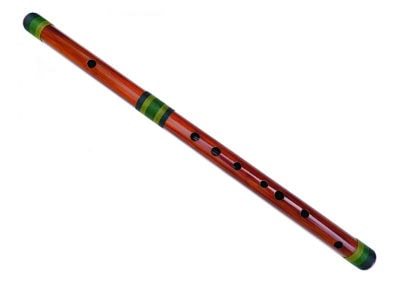
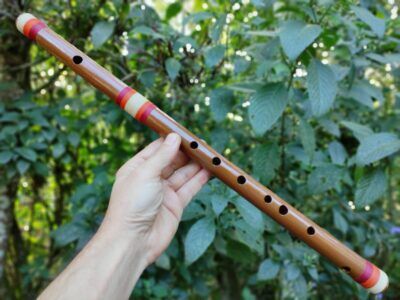
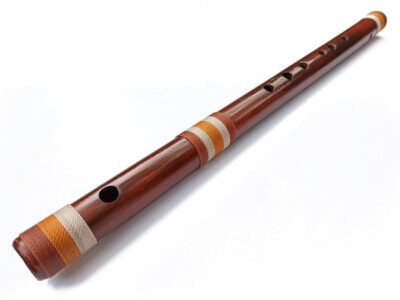
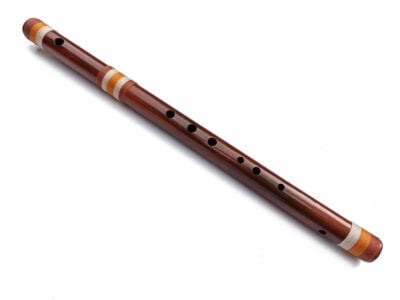
Pífanos, pífaros, or pife are small transverse flutes well known in Brazil through the pife bands of the Northeast. Native Brazilians also have their own transverse flutes in the pífano style in other scales. Some researchers believe that pífanos arrived in Brazil during the colonization period. Others believe they are of indigenous origin. The fact is that in various parts of the world, native cultures developed their own transverse flutes.
The Northeast holds the greatest tradition and proliferation of pífano bands, but the sound has spread throughout the country. This form of expression can be found in all regions, in the Southeast (São Paulo, Rio de Janeiro, Minas Gerais), in the South (Santa Catarina), in the Center-West (Federal District), and in the North, in tribes of the Upper Xingu. Also known as zabumba, cabaçal, esquenta mulher, terno de pífanos, among other names, they are made up of intuitive musicians.
It is hard to believe how an apparently so simple and handcrafted instrument is capable of producing such rich and beautiful music, livening up parties and processions, and still being the livelihood of many musicians in various regions of Brazil.
“The famous Caruaru Fair, in Pernambuco, sung by Luiz Gonzaga, and an Intangible Cultural Heritage of Brazil, continues to be a showcase for the bands of the region. There you can find the São Cristóvão Pífano Band, from Panelas, in the agreste region of the state. The accordionist Dominguinhos used to say: “From seeing so many pife bands, Luiz Gonzaga was inspired to create this forró pé de serra formation, that is, accordion, zabumba, and triangle.” The sound of these instruments also influenced Brazilian composers and arrangers such as Quinteto Violado, Hermeto Pascoal, Egberto Gismonti, Geraldo Azevedo, Naná Vasconcelos, Quinteto Armorial, Carlos Malta, and Pife Muderno.”
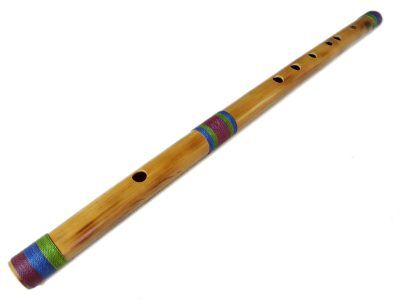
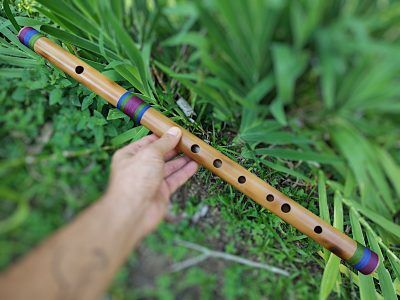

1 review for Pífano Ashar - Professional Mahogany Bamboo